Let’s get this straight — when we talk about AES cycles at SQD5, we’re not talking about random workouts.
We’re talking about training. There’s a big difference between exercising and training. Exercise is about burning calories. Training is about building something — strength, control, awareness, and consistency. That’s why people who commit to the AES cycles see results faster. Every rep, every tempo, every progression is there for a reason.
It’s not luck. It’s structure.
How Hard Should You Train?
Most people think “training hard” means being out of breath and drenched in sweat. That’s easy.
In the AES cycles, effort looks different. Here, it’s about control. It’s about knowing how far to push without losing form, how to manage fatigue, and how to move with intent even when it gets uncomfortable. That’s where RPE comes in — Rate of Perceived Exertion. It’s a 1–10 scale that helps you understand effort:
-
10/10: No reps left — full effort.
-
8–9/10: One more clean rep possible.
-
6–7/10: You’re working, but still under control.
That awareness is part of training. We don’t guess how hard we’re working — we know.
Learning What Real Effort Feels Like
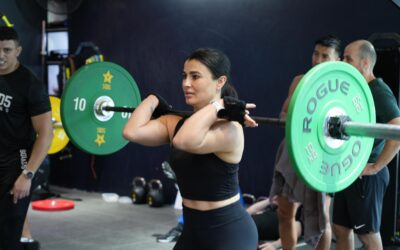
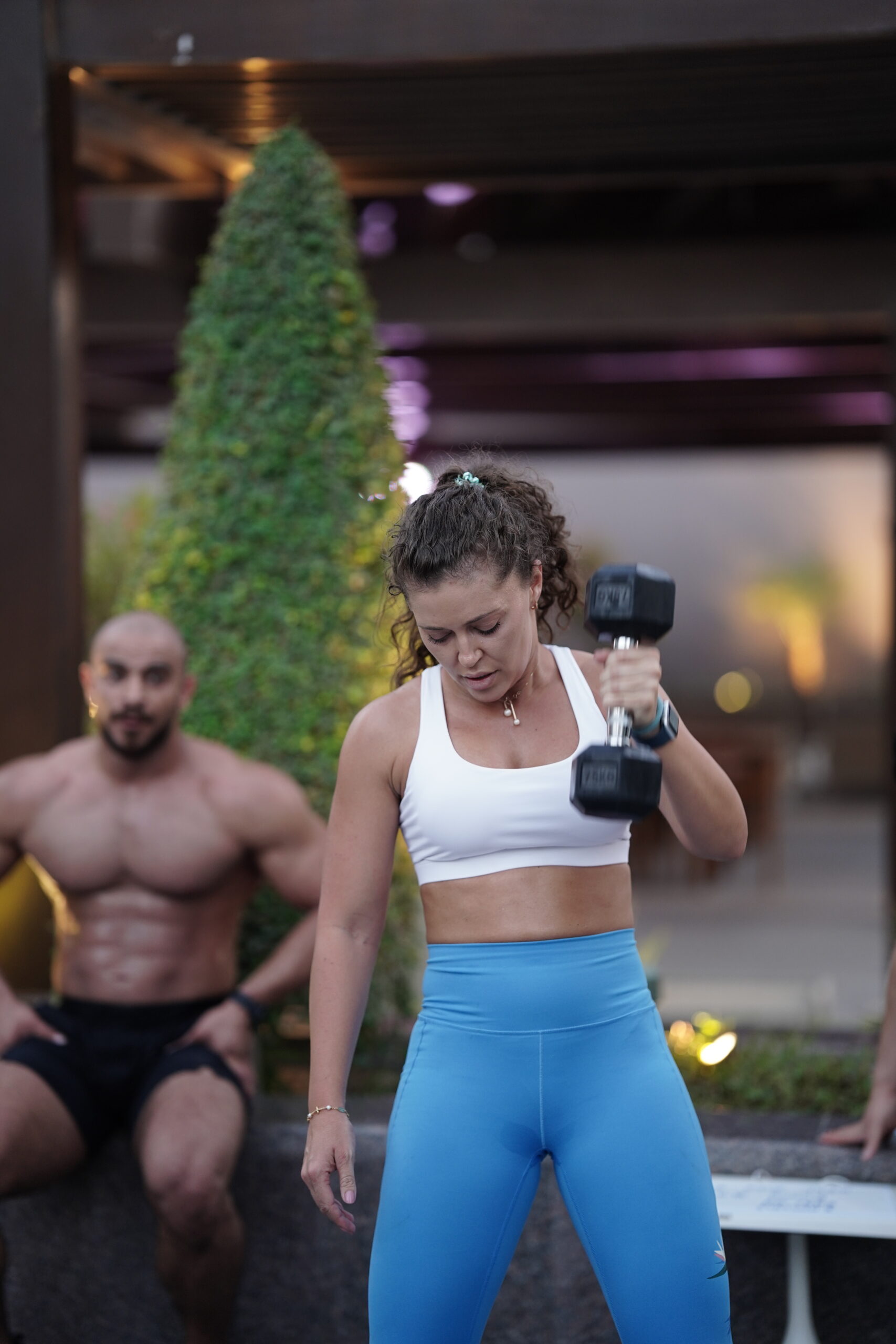
In the AES cycles, fatigue doesn’t scream at you like in conditioning. You’re not gasping for air — but your muscles are working hard, and your focus has to be sharp. Most people stop too early — they feel discomfort and think they’re done. That’s the moment I want you to stay in. That’s where adaptation happens. When your tempo slows but your form stays clean, that’s training. When you hold tension for the last two reps even though you want to quit, that’s training.
Intensity is a skill — and we build it week after week.
Repetition Isn’t Boring — It’s How You Get Better
Some people tell me, “Coach, this feels repetitive.” Good. It’s supposed to. Repetition is how you measure progress. When you repeat a lift, you learn. You remember how it felt, how it moved, and how much you lifted. Then the next week, you do it better — maybe heavier, maybe cleaner.
If every week looked different, you’d never know if you’re improving. At SQD5, repetition is not laziness — it’s precision. That’s how you grow.
Track What You Lift
You can’t improve what you don’t measure. If you don’t know what you lifted last week, you’re guessing. In the AES cycles, you should always know your numbers. That’s how you decide whether to add a little more weight, squeeze one more rep, or control the tempo longer. Progressive overload doesn’t mean going heavier every time — it means getting better every time.
Write it down. Own it. That’s how results happen.
Train Smart, Not Random
Not every set is meant to destroy you. If you push to 10/10 every time, you’ll burn out or get sloppy. Training is about building intensity gradually — week after week. Week one feels steady. Week six feels heavy. That’s by design.
Tempo is part of that too. In our hypertrophy and power blocks, we use slow eccentrics or pauses to increase intensity safely. You’re still pushing hard, but you’re in control — and that’s how you stay strong, not broken.
The SQD5 Way
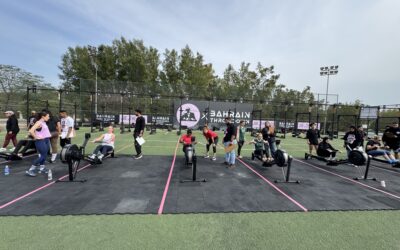
HYROX is for grit.
AES is for growth.
In HYROX, we test stamina and capacity. In AES, we build structure, strength, and progression. Both matter — but they’re not the same. AES is about control, consistency, and intelligent effort. We don’t just show up to move — we show up to train.
Because here, We don’t exercise. We train. And that’s why it works.